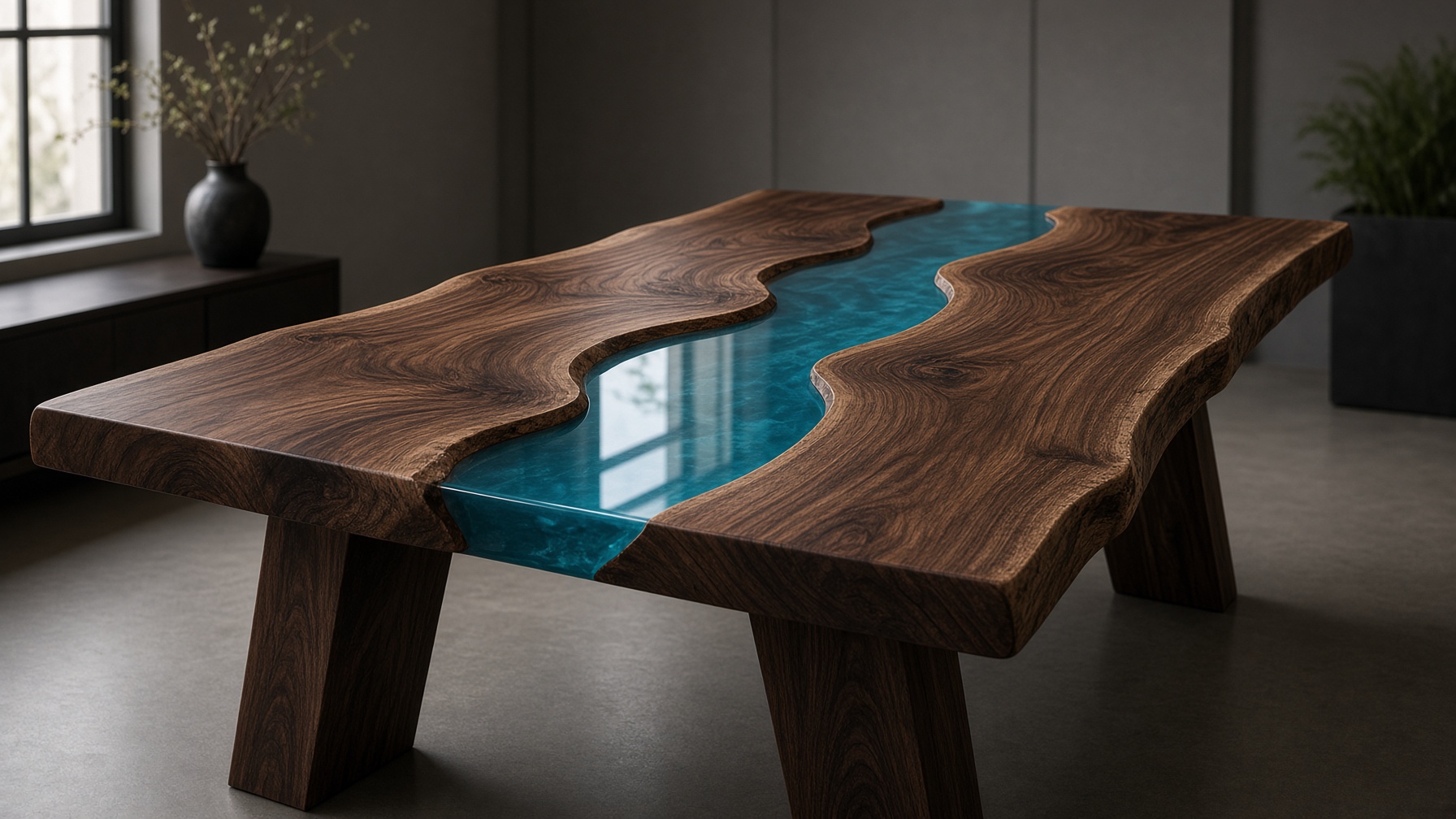
For resin artists and makers
Mix with certainty.
Pour Bench is a calculator for epoxy pours — tabletops, river tables, jewelry, and coasters. Enter the piece, and get mix amounts, material cost, and a suggested selling price before you open a cup.
Start your pourYour pour
Project
Shallow pours, often in sets of 4
Dimensions
Volume = π × radius² × depth. Enter the mold diameter.
Waste buffer
Adds extra mix on top of the calculated volume so leftover in the cup doesn’t leave you short.
Mix ratio
Part A (resin) to Part B (hardener), as printed on the kit.
Volume is cups or syringes. Weight is a scale — more precise, using 1.10 g/ml.
Cost & kits
What you pay for the kit. Using $75.00 per gallon.
Per US gallon, per liter, or per US fluid ounce — not weight ounces.
Mixed A+B in one kit. Default is 1 gallon.
Pigments, molds amortized, sandpaper, hardware.
1 kit needed for this pour (rounded up).
Pricing & profit
100% margin is a 2.00× markup: sell at twice your material cost.
Markup
2.00×
$4.49 cost × 2.00
Suggested price
$8.98
Profit $4.49 after fees
Optional. Typical Etsy take is a 6.5% transaction fee plus about 3% + $0.25 for payments (US). Many sellers enter 10–13% here to cover both. Offsite ads, if enrolled, are extra.
For this pour
Mix cups first — then resin, molds, and color.
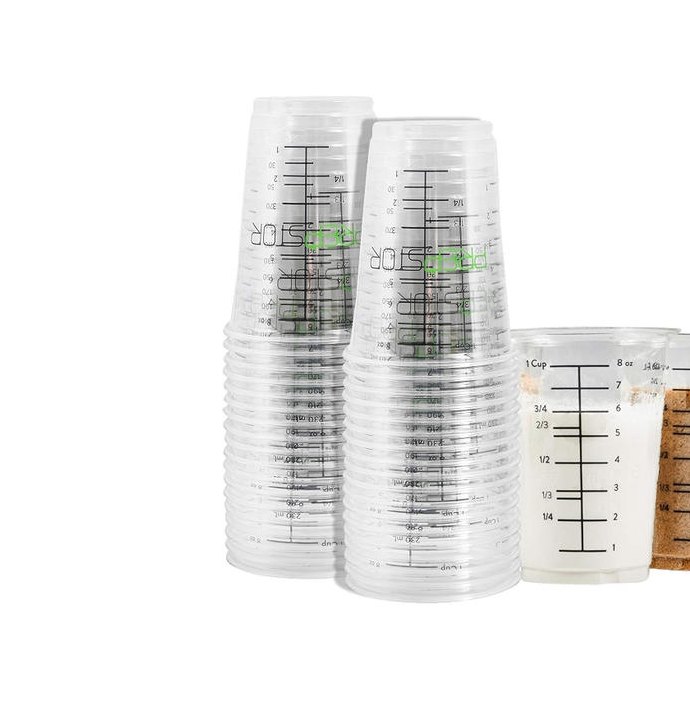
DQELFA
Mixing cups & sticks
50 × 8 oz graduated cups with 50 stir sticks.
View on Amazon
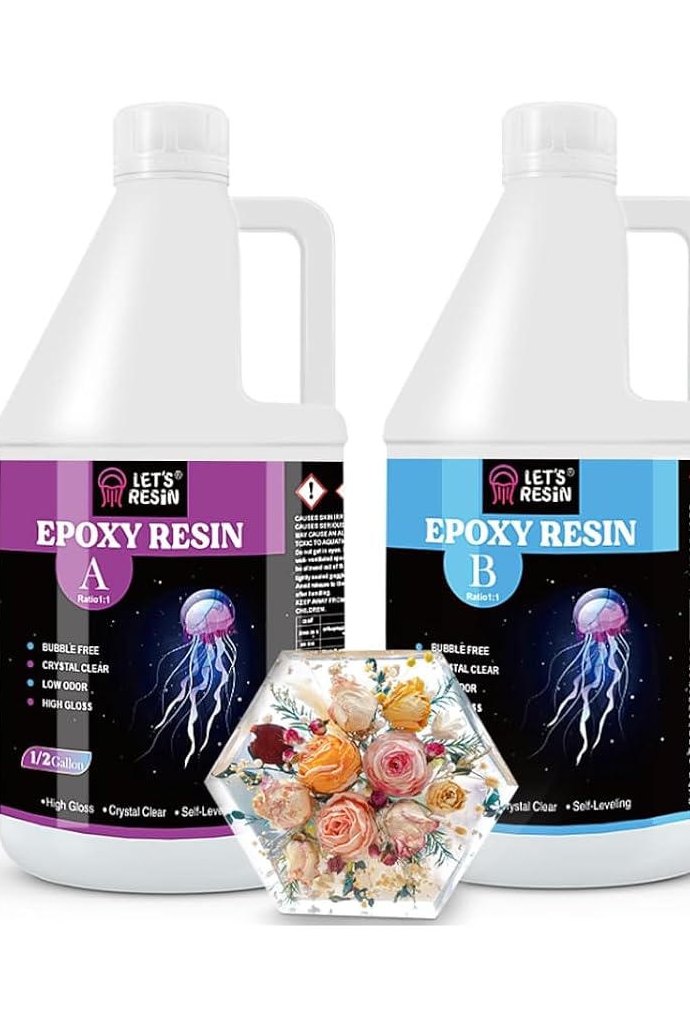
LET'S RESIN
Crystal clear epoxy kit
Amazon
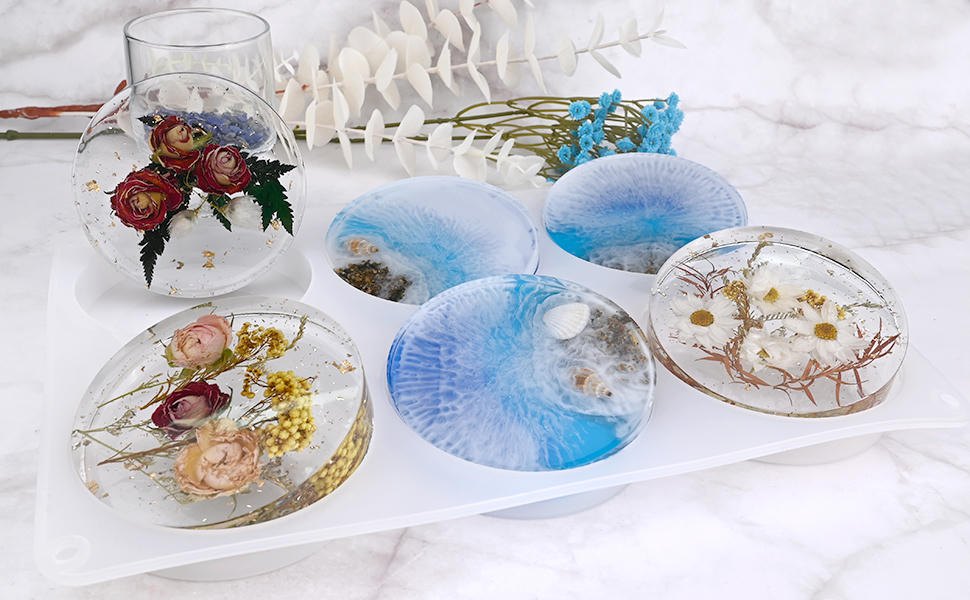
RESINWORLD
6-cavity coaster molds
Amazon
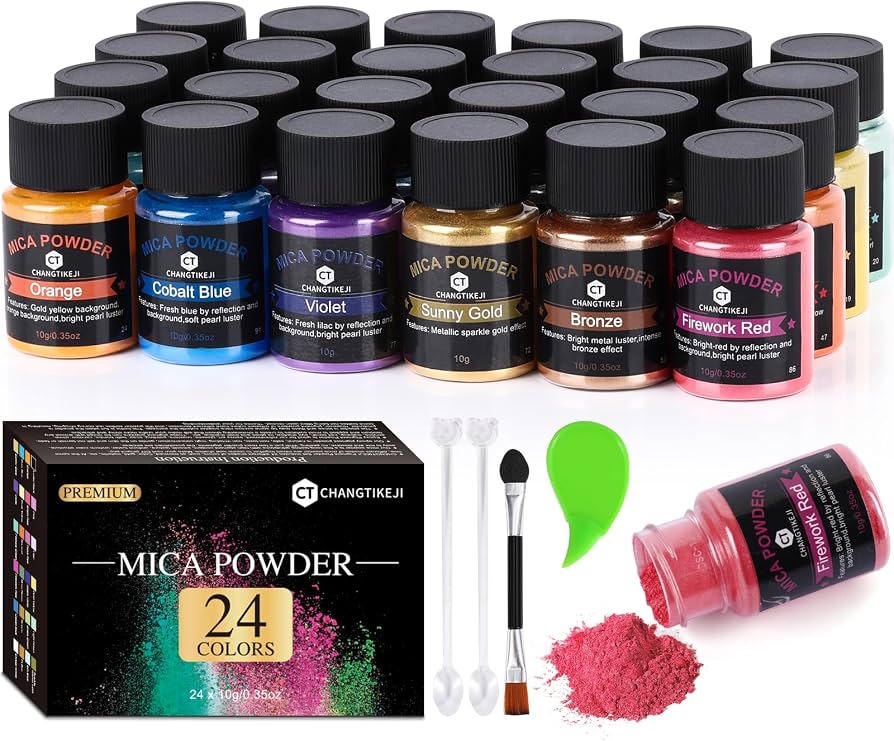
CHANGTIKEJI
24-color mica powder
Amazon
As an Amazon Associate I earn from qualifying purchases.
Pour questions
Short answers. Volumes, kits, and prices here are estimates only — follow your resin’s instructions.
- How much epoxy for a river table?
- Measure the river channel — length × void width × depth — not the whole slab. Live-edge wood fills part of that void, so a fill around 85% is a realistic start. The ticket then adds your waste buffer. Deep channels usually need a deep-pour formula and more than one lift.
- 1:1 vs 2:1 mix?
- That’s the recipe on the bottle, by volume unless the brand says otherwise. 1:1 is equal parts resin and hardener. 2:1 is twice as much resin as hardener; 3:1 and 4:1 are the same idea. Use the ratio printed on your kit — guessing it is how pours stay tacky.
- Ounces per square foot for a floor coat?
- A standard 10 mil coat is about 1 fl oz per square foot. A thin seal coat uses less; a heavy build uses more. Porous concrete drinks extra on the first coat. Pour Bench turns your room size, thickness, coats, and porosity into ounces and milliliters — still an estimate.
- Why a waste buffer?
- Some mixed resin stays in the cup, on the stick, and along the sides of the pot. Ten percent extra is a sane default so you don’t come up short mid-pour. Bump it for lots of small cavities.
- How thick can I pour in one layer?
- Tabletop and floor resins are thin coats — often 1/8 in or less. Deep-pour river resins are commonly rated around 1–2 in per lift, sometimes more if the brand says so. Thicker than that traps heat. Split the channel into layers; the ticket can show the amount per lift.